
 Free Injury Consultations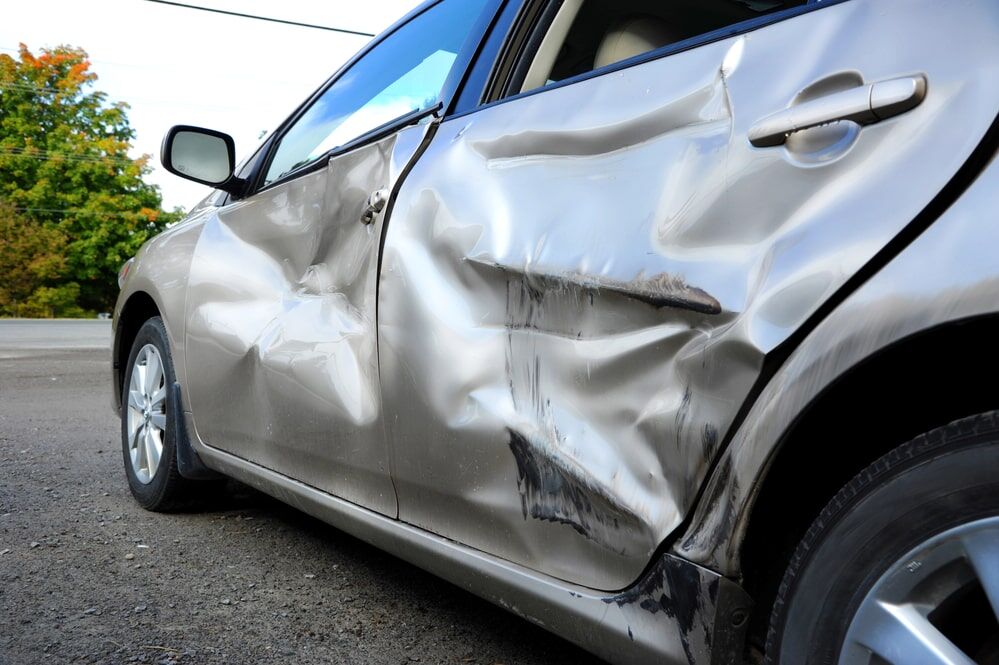
When two or more vehicles are involved in a crash, the question of who is responsible does not always have a simple answer. Texas uses a specific legal framework to assign fault, and where you fall within that framework has a direct effect on whether you can recover compensation and how much you can receive.
Kelso Law handles car accident claims throughout the Dallas-Fort Worth area, including Irving, and understands how fault determinations shape the outcome of these cases.
Texas Follows a Modified Comparative Fault Rule
Texas operates under a modified comparative fault system, codified in Texas Civil Practice and Remedies Code § 33.001. Under this framework, fault for an accident can be divided among multiple parties, and each party’s compensation is reduced in proportion to their share of responsibility.
The critical threshold in Texas is 51%. If you are found to be 51% or more at fault for the crash, you are barred from recovering any compensation at all. If your fault is 50% or less, you can still recover, but your damages are reduced by your fault percentage. So if you are awarded $100,000 and found 20% at fault, you receive $80,000.
This rule is why fault allocation matters so much in Texas car accident claims. Insurance adjusters know it, and they use it strategically.
How Fault Is Actually Assigned After a Crash
Fault is not determined by a single authority in the immediate aftermath of a crash. It is built through a combination of evidence sources:
- Police reports and officer observations at the scene
- Traffic camera and dashcam footage
- Witness statements from people who saw the collision
- Physical evidence including skid marks, vehicle damage patterns, and debris fields
- Cell phone records when distracted driving is suspected
- Accident reconstruction analysis in serious or disputed cases
No single piece of evidence is automatically decisive. Insurers conduct their own investigations, and their conclusions often serve the interest of minimizing payouts rather than finding accurate fault.
Common Fault Disputes in Irving Car Accident Cases
Irving sits at the intersection of several major corridors including State Highway 183, Loop 12, and the airport connector routes. These roads generate specific crash patterns where fault disputes arise frequently.
An Irving car accident lawyer can investigate these disputes and push back against fault attributions that are not supported by the evidence. Intersection accidents often involve conflicting accounts of who had the green light or right of way. Merging collisions on highway on-ramps create disputes about which driver failed to yield. Rear-end crashes, while often straightforward, become contested when the lead driver made an abrupt or unexplained stop.
In each scenario, the insurer for the at-fault party will look for ways to attribute some share of blame to the injured driver. Even a small fault attribution reduces their payout.
What You Can Do to Protect Your Position
The steps you take at the scene and in the days after a crash directly affect how fault is eventually assessed. Calling 911 and getting a police report creates an official record. Photographing vehicle positions, road conditions, and traffic control devices preserves context that fades quickly. Getting witness contact information before people leave the scene can make a significant difference later.
Speaking with an Irving car accident lawyer before giving a recorded statement to any insurance company is one of the most important steps you can take. Adjusters are trained to elicit statements that can be used to raise your fault percentage. An attorney can communicate on your behalf and push back against fault attributions not supported by the evidence.
