
 Free Injury Consultations
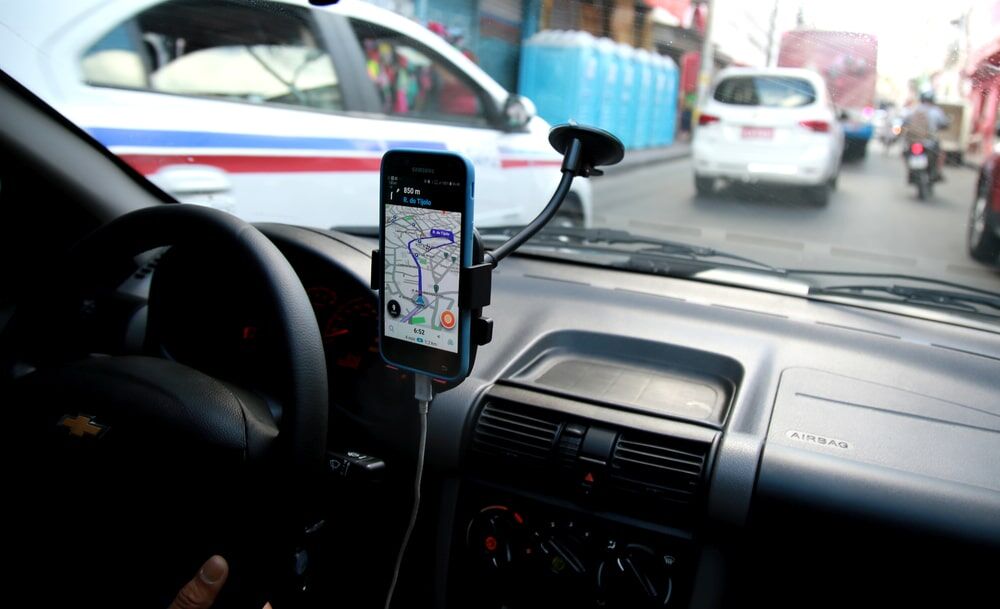
Passengers in a rideshare vehicle have no control over how the trip goes. They do not choose the speed, the lane, or the reaction time. When something goes wrong, they are often the most seriously hurt person in the car and the least equipped to explain what happened.
What Happened Near Forney
Just before 11 p.m. on a Wednesday in March, officers responded to a multi-vehicle wreck on U.S. Highway 80 and shut the highway down, positioning patrol vehicles with emergency lights activated to route traffic onto the service road. Roughly two hours later, a rideshare driver carrying a passenger struck two of those parked police units. The passenger suffered critical injuries and was airlifted to a Dallas hospital. The driver was transported separately, and neither officer, both outside their vehicles, was hurt.
Details of the collision were reported by CBS News Texas.
The Move Over Requirement
Texas law obligates drivers approaching stopped emergency vehicles with activated lights to change lanes when possible, or to reduce speed substantially when they cannot. Officers working a closure are standing in traffic by necessity.
The state’s Move Over/Slow Down law applies to police, fire, EMS, tow trucks, and highway crews. A violation is a traffic offense, and it can also serve as evidence of negligence in a civil claim.
Coverage for an Injured Passenger
Rideshare companies carry commercial liability coverage, and the amount available depends on the driver’s status in the app when the collision occurred. Three general situations apply:
- App closed, no assignment accepted, and only the driver’s personal auto policy responds
- App open and waiting for a request, which brings limited company coverage into play
- Ride accepted or passenger on board, which activates the full commercial policy
A passenger riding at the time of impact sits in the strongest position of the three. Even so, a Dallas car accident lawyer will look past that policy for additional sources, including coverage held by other drivers involved and any uninsured motorist protection the passenger carries personally.
Coverage questions get harder as the fleet mix on North Texas roads changes. A passenger hurt in a Waymo accident has no driver policy to look to at all, which makes identifying the responsible company the first order of business rather than an afterthought.
Evidence That Fades Quickly
Trip records exist in the app. Dashcam footage may be overwritten. Scene photographs, patrol vehicle positioning, and the exact timing of the lane closure all become disputed later if nobody preserves them early.
Medical documentation matters just as much. Airlift transport, trauma care, and rehabilitation costs mount fast, and the full scope of a critical injury often is not clear for months.
Get Your Questions Answered
A serious injury claim involving a commercial fleet, multiple insurers, and a police-managed scene requires organized work from the beginning. Our Dallas, TX car accident lawyer can request the trip data, identify each policy that may respond, and calculate what the injuries have cost. An experienced Dallas car accident lawyer keeps that process moving while you focus on recovery.
Kelso Law is available to review what happened and explain your options. Reach out when you are ready.
