
 Free Injury Consultations
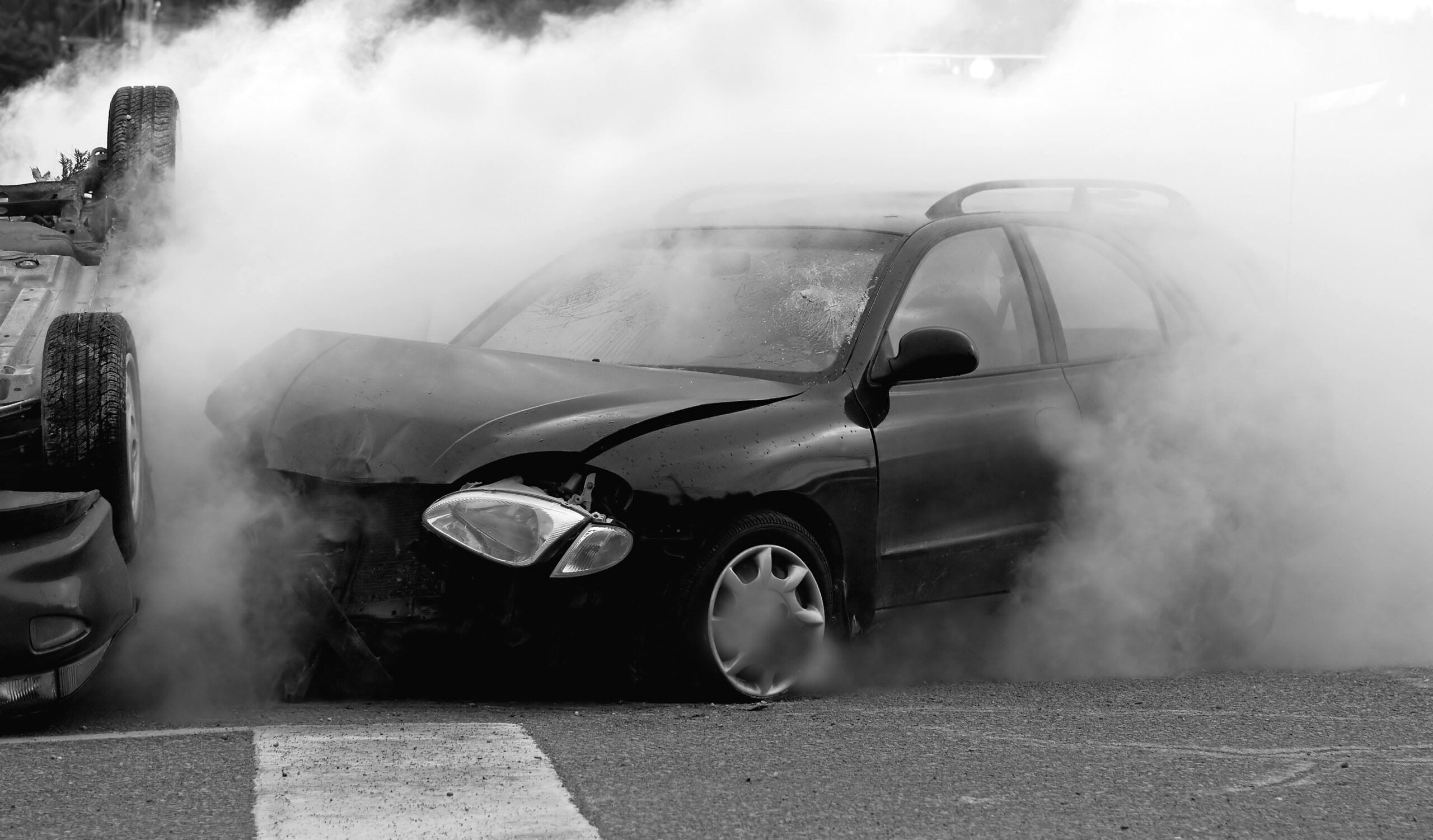
Texas is one of the most active states in the country when it comes to autonomous vehicle testing and deployment. Waymo, Tesla, and other companies are operating or testing self-driving technology on Texas roads right now, including the Dallas-Fort Worth area. As that presence grows, so does a question that personal injury law is still catching up to: when a self-driving vehicle causes a serious crash, who exactly is the defendant? A Richardson, TX personal injury lawyer can investigate autonomous vehicle accidents, identify all potentially responsible parties including drivers, vehicle manufacturers, technology companies, and other potentially liable entities, and help injured victims pursue the compensation available under Texas law.
The answer isn’t as simple as it would be in a standard car accident, and getting it right matters enormously for anyone seriously hurt in one of these crashes.
Why Autonomous Vehicle Cases Are Different
In a typical car accident, the analysis starts with the driver. Was the driver negligent? Were they speeding, distracted, or failing to follow traffic laws? When there’s no human driver making those decisions, or when the vehicle’s automated system is the one making them, the liability question shifts in a fundamental way.
Texas law recognizes this. Under Texas Transportation Code Chapter 545, an autonomous vehicle’s automated driving system is treated as the operator of the vehicle when the system is engaged. That legal recognition is important because it opens the door to pursuing the parties who designed, built, and deployed that system, not just the person sitting in the front seat.
Who the Defendants May Be
The vehicle owner or operator. Companies and individuals who deploy autonomous vehicles on public roads have their own responsibilities. If a fleet operator knew of a system defect and continued operating the vehicle anyway, or failed to properly maintain and update the vehicle’s software, that conduct creates its own basis for liability.
The human occupant. In vehicles with partial automation, where a human is still required to monitor the road and take control when necessary, a failure to do so may mean the occupant shares responsibility even if they weren’t actively driving at the time of the crash.
What Evidence Matters Most in These Cases
Self-driving vehicles generate enormous amounts of data. Sensor logs, camera footage, software activity records, GPS tracking, and system alerts from the moments before a crash can tell a detailed story about what the automated system did and didn’t do. As personal injury attorneys, we move quickly in autonomous vehicle cases to make sure that data is preserved before it is overwritten, updated, or otherwise lost.
Beyond the vehicle’s own data, a good personal injury attorney also looks at:
- Prior incident reports involving the same vehicle or system
- Software update and maintenance logs
- Internal communications from the manufacturer or technology company about known system limitations
- Regulatory filings with the National Highway Traffic Safety Administration
Do not assume that because the crash involved advanced technology, the liability picture is too complicated to pursue. These cases are complex, but the evidence is often more detailed than what exists in a standard car accident case.
Why These Cases Require Acting Fast
Manufacturers and technology companies have legal teams that respond to serious crashes involving their vehicles quickly. Data can be updated or overwritten through routine software patches. Physical evidence from the vehicle can be lost or altered. The window to preserve what actually happened is short, and it starts closing the moment the crash occurs. Contact a personal injury attorney as soon as possible if you are involved in a collision with an autonomous or partially-automated vehicle.
Kelso Law was founded by Rhiannon Kelso, a Dallas-Fort Worth native with over a decade of experience handling personal injury cases and more than 25 trials in front of Texas juries. If you were hurt in a crash involving a self-driving or partially automated vehicle in the Dallas area, reach out to a Dallas personal injury lawyer as soon as possible. The defendants in these cases are sophisticated and well-resourced, and you deserve someone on your side who moves just as fast.
