Free Injury Consultations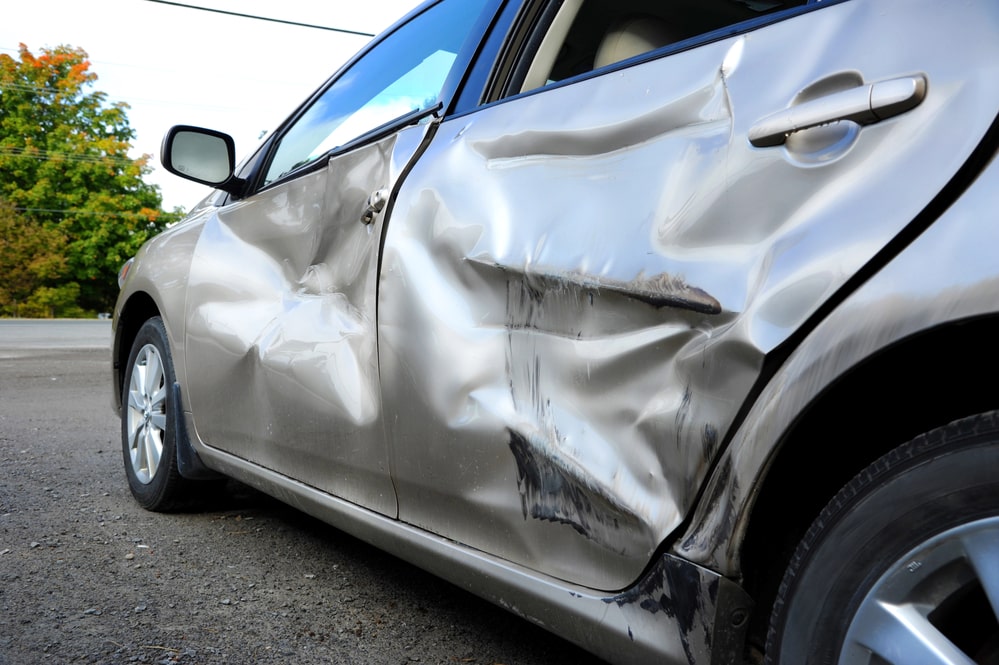
Were you injured in a T-bone accident in Dallas, TX?
Kelso Law pursues full recovery for people injured by drivers who ignored the right of way, backed by over a decade of trial experience.
If another driver ran a light or a stop sign and struck the side of your vehicle, our Dallas, TX t-bone accident lawyer can determine who had the right of way, prove the other driver’s fault, and pursue the compensation your injuries require. We gather the signal timing, camera footage, and witness accounts that establish what happened at the intersection. Kelso Law has represented injured Texans since 2012, and we handle these cases on a contingency basis. Reach out for a free consultation to review your legal options.
T-bone Accident Lawyer Dallas, TX
A T-bone accident, also called a side-impact or broadside crash, happens when the front of one vehicle strikes the side of another, most often at an intersection. Because the side of a vehicle offers little protection, these crashes tend to cause serious injuries. A T-bone accident claim seeks compensation for those injuries, and it rests on showing that the other driver failed to yield the right of way.
Right of way is usually the decisive question. Both drivers may claim they had a green light, so a T-bone accident attorney gathers the objective evidence, from signal timing and camera footage to witness statements and the pattern of the damage, then establishes which driver was at fault.
Types of T-bone Accident Cases We Handle in Dallas
Side-impact crashes almost always stem from a right-of-way failure at an intersection. The specific violation shapes the evidence and the parties involved. We handle these cases across the situations that produce them, and we build each on the objective proof of who had the right of way.
- Running a red light. A driver who enters against a red signal carries the clearest liability. We use signal timing and camera evidence to prove it, and these are among the most severe crashes at an intersection.
- Running a stop sign. Drivers who roll through or ignore a stop sign strike vehicles that had the right of way. We reconstruct the approach and entry point.
- Failure to yield. Merging or crossing without yielding causes many side impacts. We show which driver was required to wait, often the clearest route to establishing fault.
- Unprotected left turns. A driver turning left across traffic must yield to oncoming vehicles. We establish the turning driver’s duty and its breach, a frequent source of intersection collisions.
- Distracted driving. A driver looking away can miss a signal or a sign entirely. We connect the intersection crash to the inattention.
- Impaired driving. Impaired drivers misjudge signals and gaps in traffic. We coordinate the fault analysis with proof of impairment.
- Motorcycle accidents. Drivers who fail to see them at an intersection frequently strike riders. We document the rider’s right of way and the severity of the harm.
- Bicycle accidents. Cyclists crossing an intersection are vulnerable to turning and crossing vehicles. We pursue the driver who failed to yield.
- Lyft accidents. Rideshare drivers navigating busy intersections can miss a signal or a right of way. We identify the coverage and the responsible party.
Why Choose Kelso Law for Your T-bone Accident Claim in Dallas?
Establishing Who Had the Right of Way
T-bone cases are won on establishing which driver legally had the right of way. That requires objective proof. Our firm’s founder, Rhiannon Kelso has tried more than 25 cases to jury verdict, including a verdict above $8 million in Dallas County, and she builds each case to settle the question of fault before the insurer can shift it. Our car accident lawyer Dallas, TX applies the same investigation to every intersection collision, drawing on signal data, video evidence, and witness accounts to establish what happened.
Full Value for Serious Injuries
We have recovered more than $20 million for injured clients over 13 years, and handle these cases on contingency, so you owe no attorney fees unless we recover for you. She earned her law degree at the Pittsburgh School of Law and belongs to the Dallas Bar Association and the Texas Trial Lawyers Association. Because a side impact strikes the occupant directly, we build each claim around the full extent of the injuries.
What Is Important to Understand About a T-bone Accident Case?
Damages, Liability, and Compensation for T-bone Accident Cases
Side-impact crashes often cause serious injuries, so the compensation at stake can be significant. Texas law lets you recover the losses the crash caused once fault is established. The side of a vehicle offers little protection, which raises the danger in a collision while pregnant and for any occupant near the point of impact. Common categories of compensation include:
- Emergency and ongoing medical care.
- Future treatment and rehabilitation.
- Lost income and reduced earning capacity.
- Pain, suffering, and mental anguish.
- Property damage, including the diminished value of a repaired vehicle.
Texas follows proportionate responsibility, which bars recovery for anyone more than fifty percent at fault and reduces it by the injured person’s share. This rule matters at intersections, where insurers often argue that both drivers share the blame. The stronger the proof of who had the right of way, the less room an insurer has to reduce what it owes. Some losses carry clear figures, while others, such as pain and mental anguish, require careful evidence to value. Injury suits must generally be filed within two years of the crash.
What Are Important Aspects of a T-bone Accident Case?
A few features set side-impact cases apart, and they influence how the claim is built.
- Right of way is the central question, so objective evidence matters more than either driver’s account.
- Signal timing, camera footage, and witness statements can resolve a disputed intersection.
- Intersection collisions often involve more than two vehicles, and liability becomes more complex when other drivers are involved.
- Injuries to the occupant compartment can be severe even at moderate speed.
- Acting early preserves signal data and footage, which some systems overwrite within days.
What Is the T-bone Accident Case Timeline?
- Medical care and documentation of your injuries.
- Investigation of the intersection, including signal data and any footage.
- Notice to the insurers and identification of every responsible party.
- A demand and negotiation over the value of the claim.
- Litigation and trial when the insurer will not pay fairly.
We keep you informed throughout, so any decision to settle or go to trial rests on current information.
What Should You Bring to Your T-bone Accident Consultation?
Bring what you have, and we can gather the rest.
- The crash report and any photos from the scene.
- Medical records and bills you have received.
- The location and details of the intersection.
- Names and contact details for any witnesses.
In your complimentary initial case review, we explain how we would establish the right of way, how your damages are valued, and what a contingency arrangement means.
What Are Important Texas Legal Resources for T-bone Accident Cases?
A few government resources can help you understand intersection crashes and locate the records a claim depends on. Each comes from a state or federal agency.
- The FHWA intersection safety program explains how and why crashes happen where roads cross.
- The Texas statutes site lets you read the civil deadlines and fault rules that apply.
- FHWA intersection data reports annual figures on intersection and red-light-running crashes.
- TxDOT crash records show how to request the report that documents your crash.
Reach Out to Kelso Law to Schedule a Consultation
If a driver ignored the right of way and caused your injuries, reach out to Kelso Law. Our Dallas t-bone accident lawyer can establish fault and pursue the full value of your losses. We handle these cases on contingency, so you pay no attorney fees unless we recover for you. Contact us to schedule a free, confidential case review.