Free Injury Consultations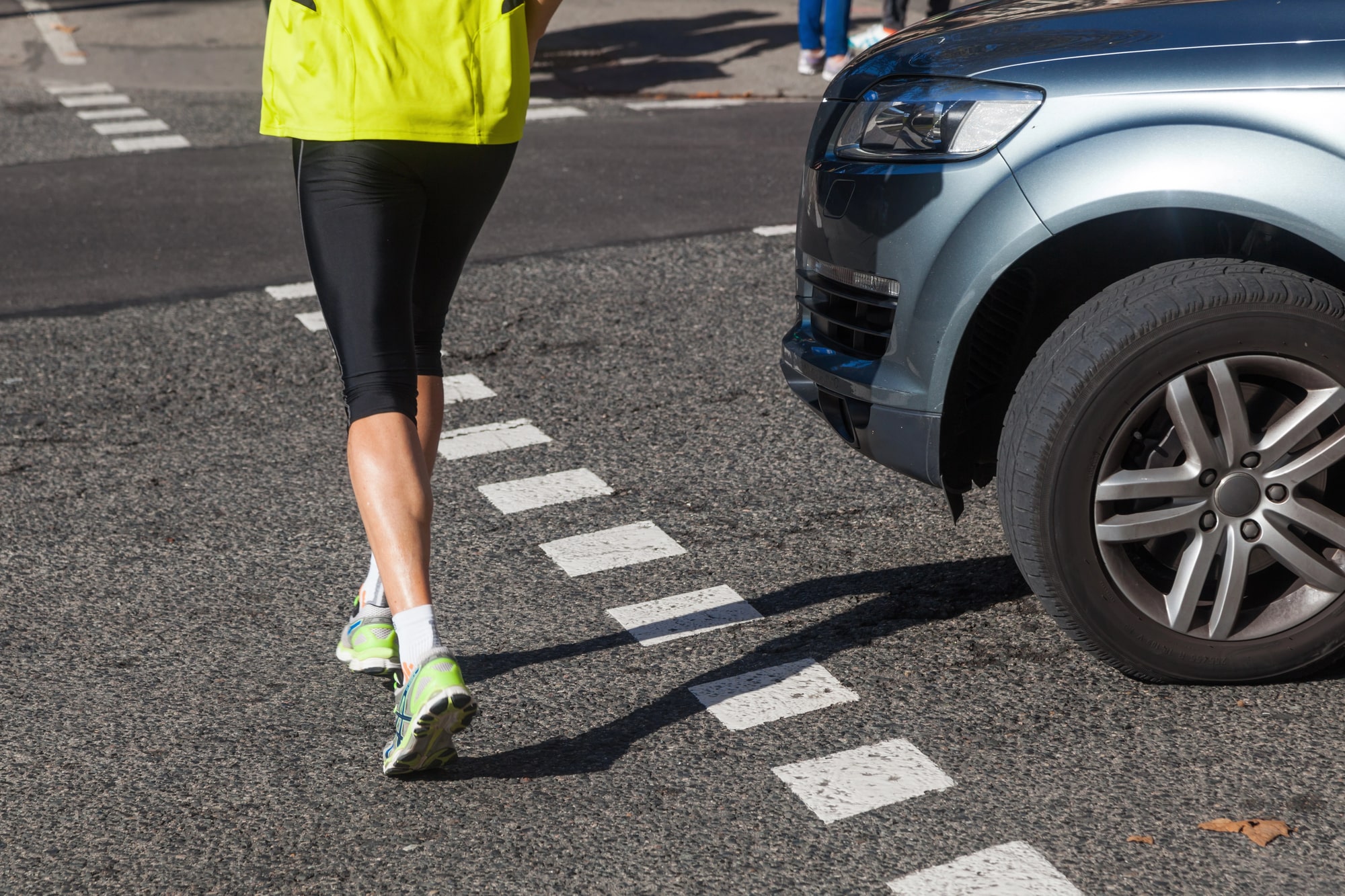
Texas law gives pedestrians specific protections at crosswalks and intersections, but understanding when you actually have the right of way can prevent accidents and strengthen legal claims if you’re injured. The rules aren’t always intuitive, and many drivers don’t follow them correctly. At marked crosswalks, pedestrians have the right of way when crossing within the designated area. Drivers must yield and stop if necessary to let you cross safely. This applies whether the crosswalk has a traffic signal or not. Unmarked crosswalks exist at most intersections, even without painted lines. According to the Texas Transportation Code, pedestrians have the right of way at any intersection where sidewalks meet, creating an implied crosswalk. Many people don’t realize this protection exists.
Where Drivers Must Yield To Pedestrians
Texas law requires drivers to yield in several specific situations:
- When a pedestrian is crossing at a marked or unmarked crosswalk at an intersection
- When a pedestrian is on the half of the roadway where the vehicle is traveling or approaching
- When turning at an intersection while a pedestrian is crossing
- When a pedestrian is entering or exiting a stopped school bus
Sidewalks also receive protection. Drivers entering or leaving driveways, alleys, or parking lots must yield to pedestrians on sidewalks. This is where many parking lot accidents happen.
When Pedestrians Must Yield To Vehicles
Pedestrian right-of-way isn’t unlimited. You must yield to vehicles when crossing outside of a crosswalk in the middle of a block. Jaywalking doesn’t mean you lose all legal rights, but it does affect liability. Traffic signals control the right-of-way at signalized intersections. Pedestrians must obey walk signals and cannot enter the crosswalk against a don’t walk signal, even at a marked crosswalk. Starting to cross during a flashing don’t walk signal is also prohibited. You cannot suddenly leave a curb or safe place and walk into the path of an oncoming vehicle that doesn’t have time to stop. This applies even at crosswalks where you otherwise have the right of way.
How Right-of-Way Affects Pedestrian Accident Claims
Understanding these laws matters if you’re hit by a car. Insurance companies will examine whether you had the right of way to determine fault and compensation. A Farmers Branch pedestrian accident lawyer can review the circumstances of your collision and explain how right-of-way rules apply to your situation. Texas follows modified comparative negligence rules. You can recover damages even if you share some fault, as long as you’re not more than 50% responsible. Right-of-way violations by the driver strengthen your case significantly. Drivers who fail to yield at crosswalks, turn into pedestrians, or hit someone on a sidewalk typically bear primary liability. Even if you were jaywalking or crossing against a signal, you may still recover partial compensation if the driver was speeding, distracted, or could have avoided hitting you.
Common Right-of-Way Violations By Drivers
Many pedestrian accidents happen because drivers ignore yield requirements. Failing to stop for someone already in a crosswalk is one of the most frequent violations. Drivers also commonly turn right on red without checking for pedestrians or accelerate through intersections as the light changes. Left-turning drivers often misjudge pedestrian crossing times or simply don’t look before turning. Parking lot accidents frequently occur when drivers back out without checking sidewalks or crosswalks.
What To Do After A Pedestrian Accident
Get medical attention immediately, even if injuries seem minor. Pedestrian accidents cause serious harm, and some injuries don’t show symptoms right away. Call the police to document the scene and get a crash report. Gather evidence if you’re able. Take photos of the intersection, crosswalk, traffic signals, and vehicle positions. Get contact information from witnesses who saw what happened. Don’t admit fault or apologize to the driver or insurance companies. Stick to factual statements about what happened. Insurance adjusters will use your words to reduce or deny your claim. Distracted driving, speeding, and failure to yield continue causing serious injuries throughout Texas. Kelso Law understands how these traffic laws apply to pedestrian collision cases.
Protecting Your Rights Under Texas Law
Right-of-way rules protect pedestrians, but they don’t prevent all accidents. If you’ve been injured while walking, the Farmers Branch pedestrian accident lawyer team can investigate your accident, gather evidence, and build a strong compensation case. Legal representation helps you deal with insurance companies and focus on recovery while someone fights for the damages you deserve.